Let's be clear about something.
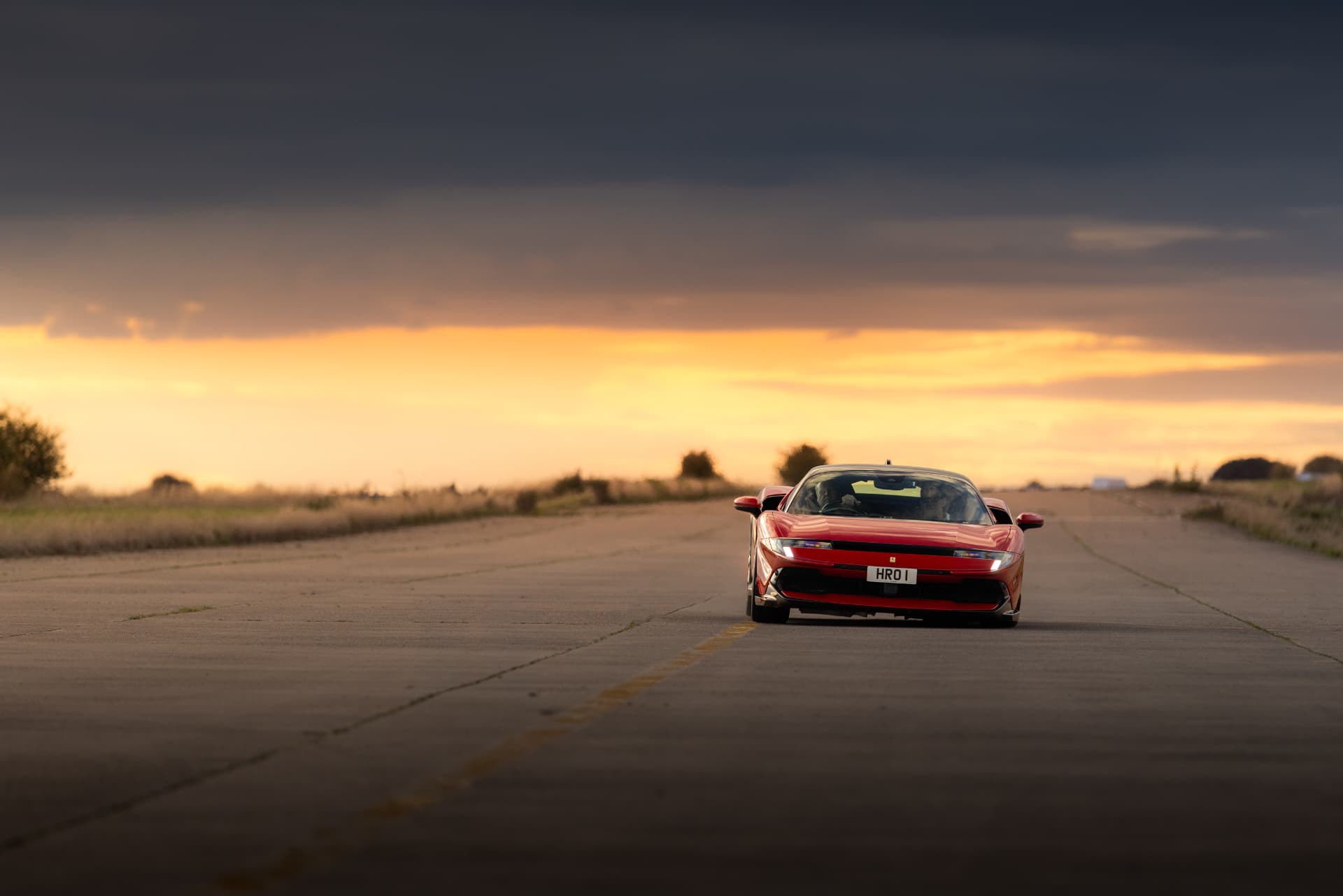
We absolutely love a beautiful car shot.
The perfect angle.
The reflections running along the bodywork.
The moment an engine fires into life.
A beautifully composed tracking shot that makes you want to watch it three times.
We're filmmakers. Of course we love that stuff.
But here's the problem.
The automotive world is full of beautiful footage.
Scroll through Instagram for five minutes and you'll find endless cinematic edits of supercars, race cars and beautifully detailed machines.
Some of them are genuinely spectacular.
But how many do you actually remember?
That's where storytelling comes in.
Because great automotive content isn't simply about showing people what a car looks like.
It's about helping them understand why it matters.
1. The car is often only part of the story
Behind every interesting vehicle, there's usually a much bigger story waiting to be told.
It might be the engineer who's spent years developing a particular component.
The racing driver preparing for a crucial weekend.
The owner who's spent a decade restoring something special.
Or the team working through the night to get a car back on track.
These are the stories that give automotive content depth.
Think about a beautifully restored classic car.
You could create a wonderful film showing its details, engine bay and driving characteristics.
But what if you also interviewed the person who restored it?
What if you discovered that the car had belonged to their father?
Suddenly, you're not just filming a machine.
You're telling a story about family, memories, dedication and craftsmanship.
And that story has the potential to connect with people who might not even consider themselves car enthusiasts.
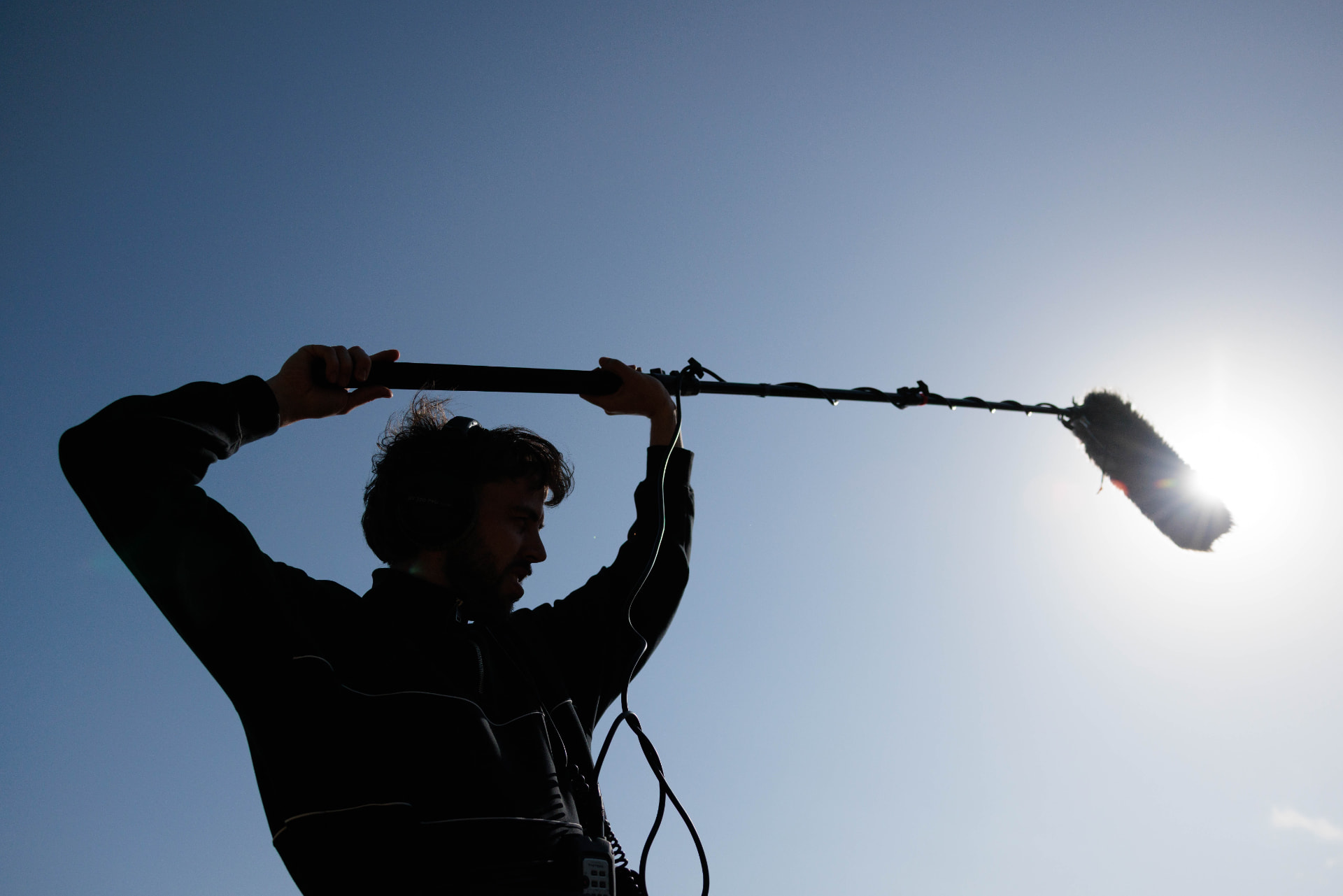
2. Sound is half the experience
There's a reason automotive enthusiasts get excited about engine notes.
Sound is an enormous part of the emotional experience.
The rumble of a V8.
The distinctive character of a flat-six.
The mechanical sounds inside a racing paddock.
The moment a car accelerates away from the camera.
These details help transport the viewer into the experience.
And capturing them properly requires thought.
Where should microphones be positioned?
How do you balance dialogue with vehicle sounds?
Which moments deserve space without music?
Sometimes the most powerful thing you can do in an automotive film is remove the soundtrack entirely and let the car speak for itself.
Of course, modern automotive storytelling also includes electric vehicles, where the soundscape can be completely different.
Tyre noise, wind, road texture and subtle mechanical details can all contribute to the experience.
Great sound design isn't simply about making everything louder.
It's about making the audience feel closer to the action.
3. Movement needs a purpose
Automotive filmmaking offers some wonderful opportunities for creative camera movement.
Tracking shots.
Low-angle passes.
Onboard cameras.
Dynamic circuit footage.
Beautifully controlled detail shots.
But movement alone doesn't make a film exciting.
A tracking shot should reveal something.
A close-up should draw attention to a detail.
A wide shot should establish a sense of place, scale or atmosphere.
And a fast-paced sequence should build energy for a reason.
Think about the difference between filming a car driving down an empty road and filming that same car approaching the final corner of a race.
The movement might look similar.
But the context changes everything.
One is a beautiful image.
The other could be part of a compelling story.
4. Motorsport is about people as much as performance
Motorsport provides a brilliant example of why storytelling matters.
On the surface, it's about speed, competition and engineering.
But some of the most memorable moments happen away from the track.
The concentration on a driver's face before a race.
The mechanic making a final adjustment.
The nervous energy inside the garage.
The relief after a difficult session.
The celebrations when everything comes together.
Those moments make the on-track action more meaningful.
Without context, a car crossing the finish line is simply a car crossing the finish line.
When you've followed the team's preparation, understood the challenges and experienced the anticipation, that same moment can become genuinely emotional.
For brands involved in motorsport, these human stories can also help audiences connect with the people and values behind the sponsorship.
5. Different audiences care about different things
Not every automotive audience is looking for the same experience.
A passionate motorsport enthusiast might want technical details, performance analysis and authentic racing footage.
A luxury automotive customer might be more interested in craftsmanship, design, heritage and the ownership experience.
Someone considering an electric vehicle may want straightforward explanations of technology, charging and everyday usability.
And an audience attending a brand activation might be most interested in the atmosphere and experience.
This matters enormously when planning content.
Before filming, ask:
Who are we making this for?
What do they already know?
What excites them?
What questions are they likely to have?
What do we want them to take away?
A film designed for passionate enthusiasts should probably feel different from one introducing a brand to an entirely new audience.
6. Authenticity matters in the automotive world
Automotive audiences can be incredibly knowledgeable.
They notice details.
They recognise vehicles, specifications, circuits and racing categories.
And they can usually tell when content has been created without much understanding of the subject.
That's why preparation matters.
Research the vehicle.
Understand the event.
Speak to the people involved.
Learn what makes the project interesting before deciding how to film it.
You don't need to know absolutely everything.
But genuine curiosity and attention to detail go a long way.
And when you get the details right, the content becomes much more credible.
7. Make the most of the entire experience
An automotive production day can create far more than one finished film.
Imagine filming a vehicle launch or motorsport event.
Alongside the main hero film, you might capture:
- Short-form social videos.
- Vehicle detail sequences.
- Driver or engineer interviews.
- Behind-the-scenes content.
- Event highlights.
- Technical explainers.
- Photography.
- Short edits for different audiences.
- Future promotional footage.
The key is planning these opportunities in advance.
A few thoughtful additions to the shot list can make a production considerably more useful.
And when you're working around vehicles, track access, weather conditions and tight event schedules, good preparation becomes even more important.
8. Production safety is part of professionalism
Automotive filmmaking can involve moving vehicles, active circuits, busy paddocks and challenging environments.
It's exciting work.
But it needs to be approached responsibly.
That means appropriate permissions, clear communication with event organisers, suitable risk assessments and production methods that don't interfere with drivers or other participants.
A spectacular shot is never worth compromising safety.
And often, the best creative results come from planning properly rather than improvising in the wrong environment.
9. The best automotive films capture a feeling
Think about what makes driving special.
For some people, it's the freedom of an open road.
For others, it's the excitement of competition.
It might be the connection to a particular marque, the appreciation of exceptional engineering or the memories associated with a car they've loved for years.
Those feelings are what great automotive storytelling tries to capture.
Not just the vehicle.
The experience.
The people.
The reason it matters.
Because a car can be technically extraordinary and visually beautiful.
But a great story gives the audience something to connect with.
10. Before planning your next automotive film
Whether you're producing content for a manufacturer, dealership, motorsport team or automotive event, start with these questions:
- What's genuinely interesting about this vehicle, person or experience?
- Who are we trying to reach?
- What should the audience feel?
- Which details make this story unique?
- How can sound contribute to the experience?
- What content do we need beyond the main film?
- What access, permissions and safety arrangements are required?
Answer those questions before deciding which lenses to bring.
You'll give yourself a much stronger foundation for creating something memorable.
Beautiful cars deserve brilliant stories
We'll never get tired of filming beautiful machines.
The craftsmanship, engineering, performance and design make the automotive world an extraordinary place to create content.
But the films that stay with people are rarely just collections of impressive shots.
They're the ones that make you feel the anticipation.
Understand the dedication.
Appreciate the detail.
And connect with the people behind the machine.
Because beautiful cars get attention.
Great stories make people care.
Got something exciting in the pipeline?
From automotive launches and motorsport events to brand films and vehicle storytelling, we love getting involved in interesting projects.
If you've got an idea, we'd love to hear about it.